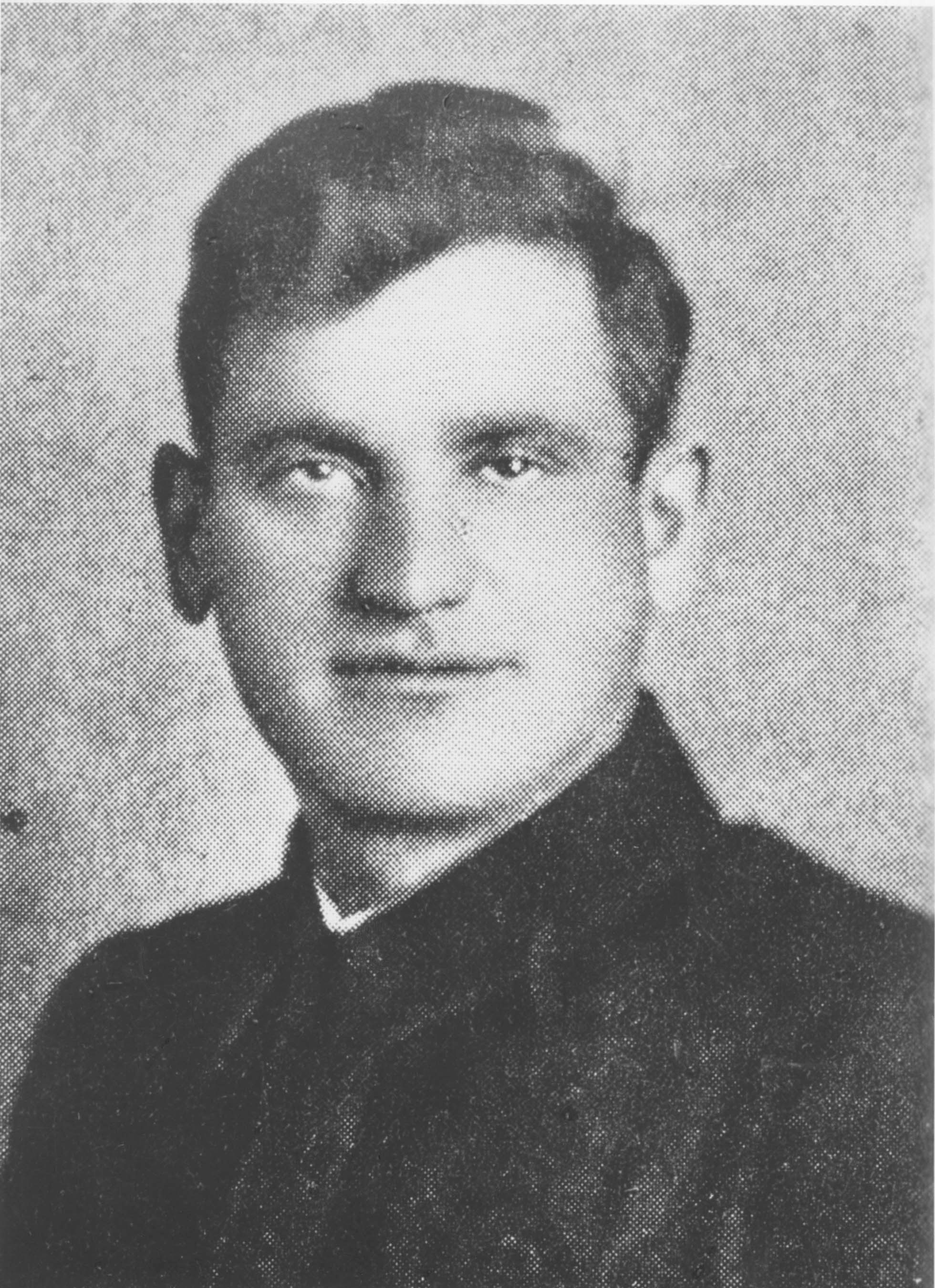
Asael Bielski grew up on his parents’ farm in Stankiewicze (then Poland, today Stankevichy, Belarus). When the Wehrmacht occupied the region in June 1941, Bielski suffered persecution as a Jew. He fled into the forests around Navahrudak and set up a forest camp. His brothers Sus, Aron, and Tuvia joined him. The brothers armed themselves and helped numerous Jews escape from the nearby ghettos. They formed a partisan unit in the forest under the leadership of Tuvia Bielski. Asael became his deputy. The unit sabotaged railway lines, bridges, and food transports that were important for the German occupiers. Jews who did not actively fight remained in the forest camp and were protected and cared for by the partisan unit. About 1,200 Jews, mostly women, children, and the elderly, survived with the protection of the partisans.
Belorussia was liberated in 1944 and the partisan unit disbanded. Asael Bielski was drafted into the Red Army. He died in 1945 while fighting German troops. His daughter was born that same year and was named Asaela after him.
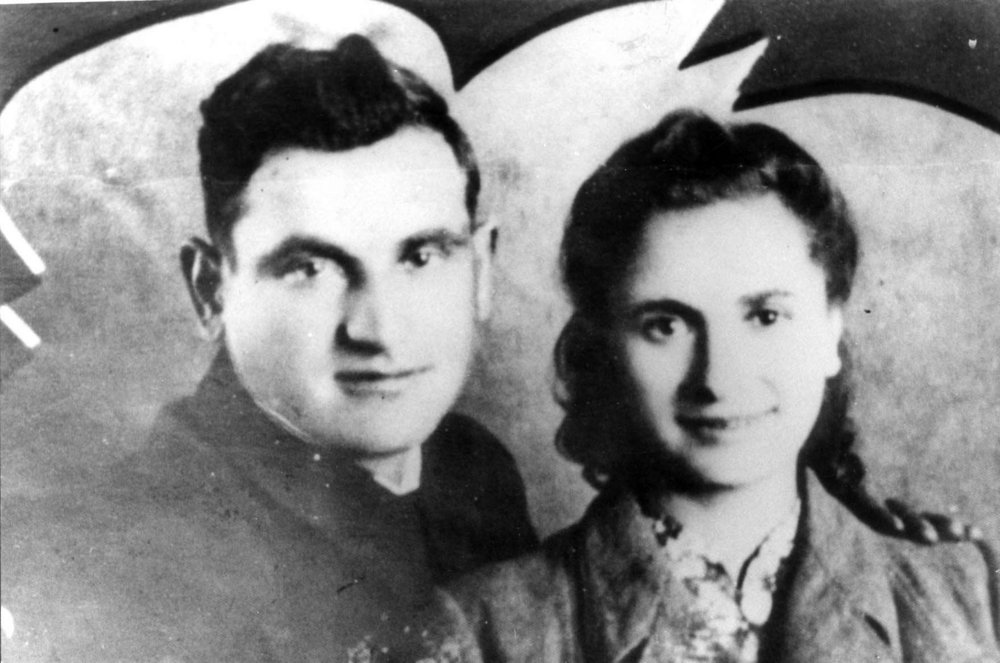
Asael Bielski with his wife Chaja, 1945. Source: Yad Vashem Archives, Jerusalem, 5674/2