After training as a metalworker, studying engineering, and several years in England, Richard Linde worked as a patent lawyer. He had a socialist outlook and was an active freemason. From 1920, he lived in Hohen Neuendorf near Berlin.
A determined opponent to the Nazi regime, he met his daughter’s schoolfriend Hildegard Knies and the teacher Elisabeth Abegg. With the two of them, he joined a left-liberal resistance group, meeting for political discussions and listening to English radio broadcasts. After a denunciation, Linde only narrowly evaded arrest; his house was searched on another occasion. He nonetheless hid several persecuted Jewish women in his villa and also sheltered several escaped forced laborers and prisoners of war. They had easy access to food, since he grew fruit and vegetables in the grounds.
After the war, Linde remained in the Soviet Occupation Zone and joined the Socialist Unity Party. In the GDR, he once again came into conflict with dictatorial measures and left the country in 1958. At an advanced age, he then launched a new career as a patent lawyer in West Berlin.
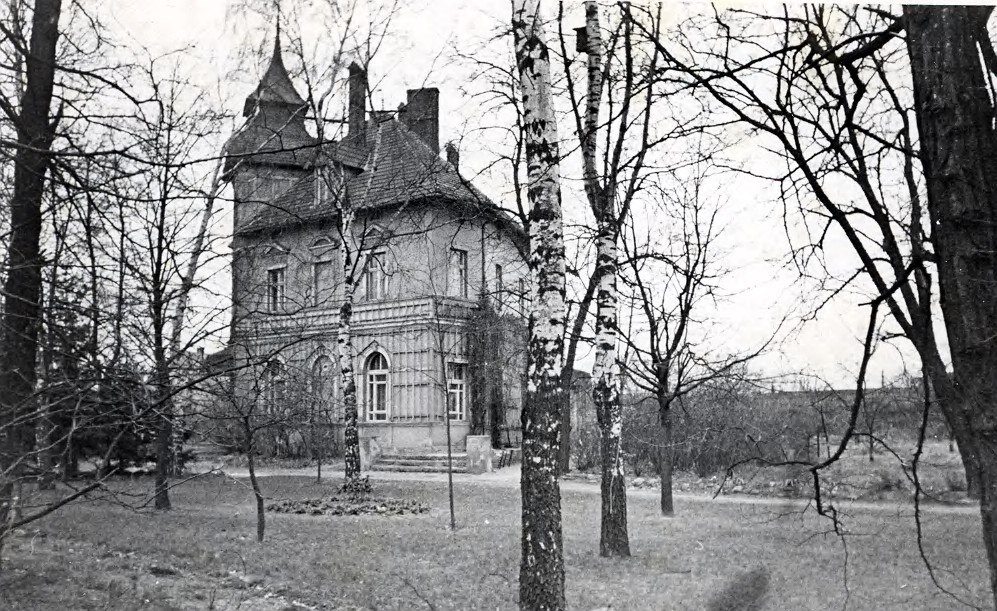
Richard Linde’s villa viewed from the garden, Hohen Neuendorf, around 1930. Source: Privatbesitz/Private
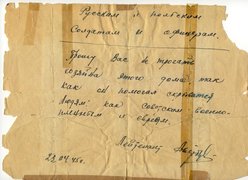
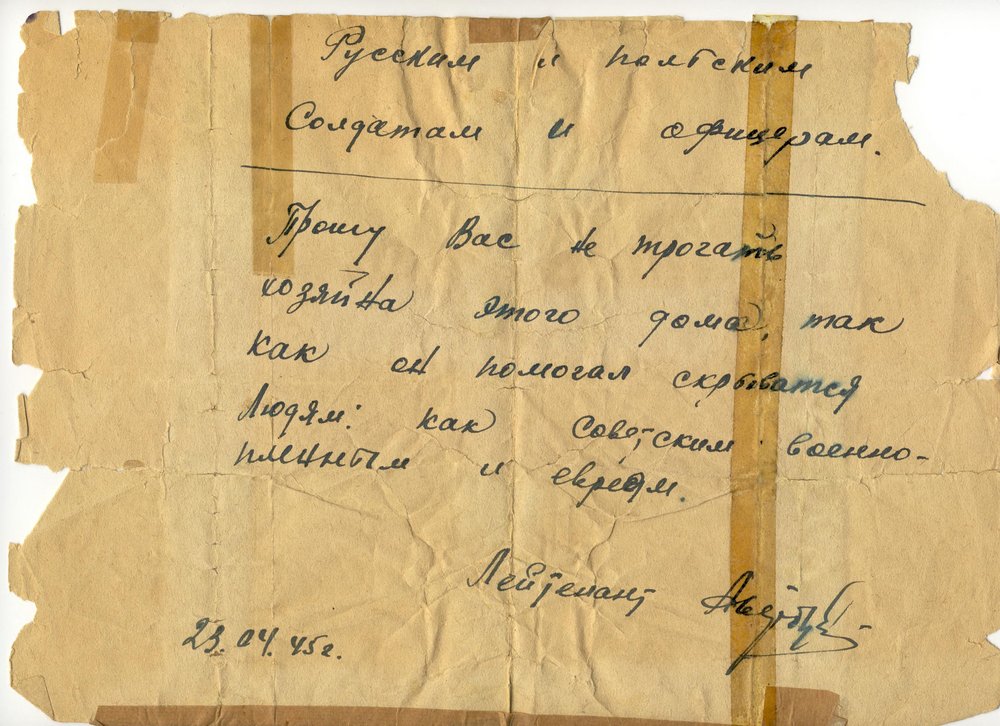
Russian protective note for Richard Linde, written by a Lieutenant Averbukh from the Red Army at the request of a woman hidden in Linde’s house, Hohen Neuendorf, April 23, 1945. Source: Privatbesitz/Private
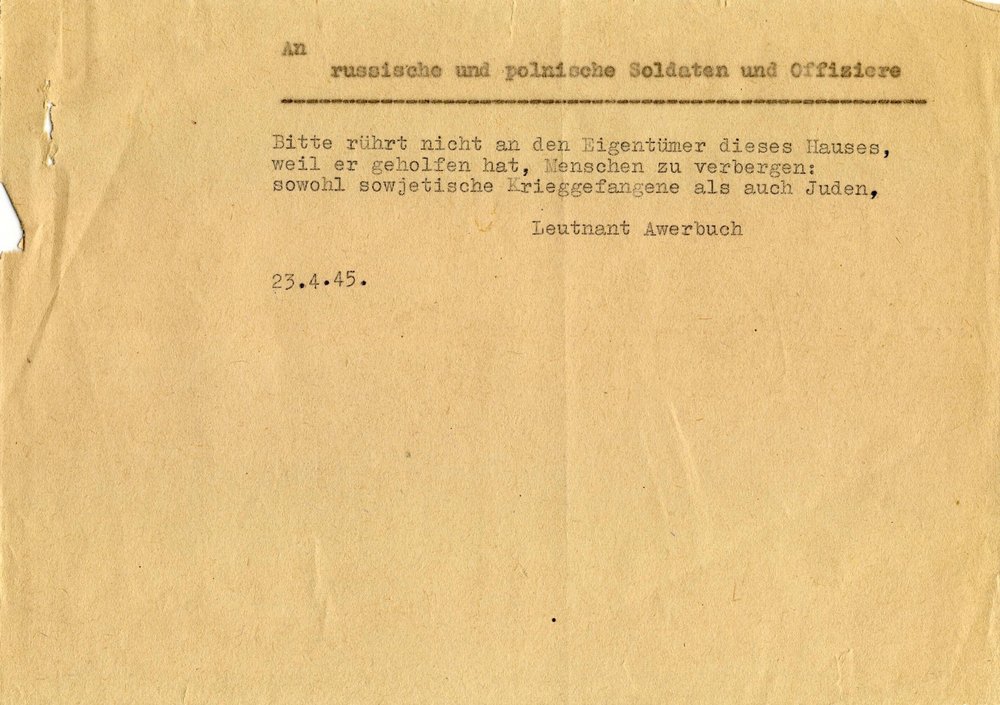
Protective note for Richard Linde, written at the request of a woman hidden in his house, German translation, Hohen Neuendorf, April 23, 1945. Source: Privatbesitz/Private