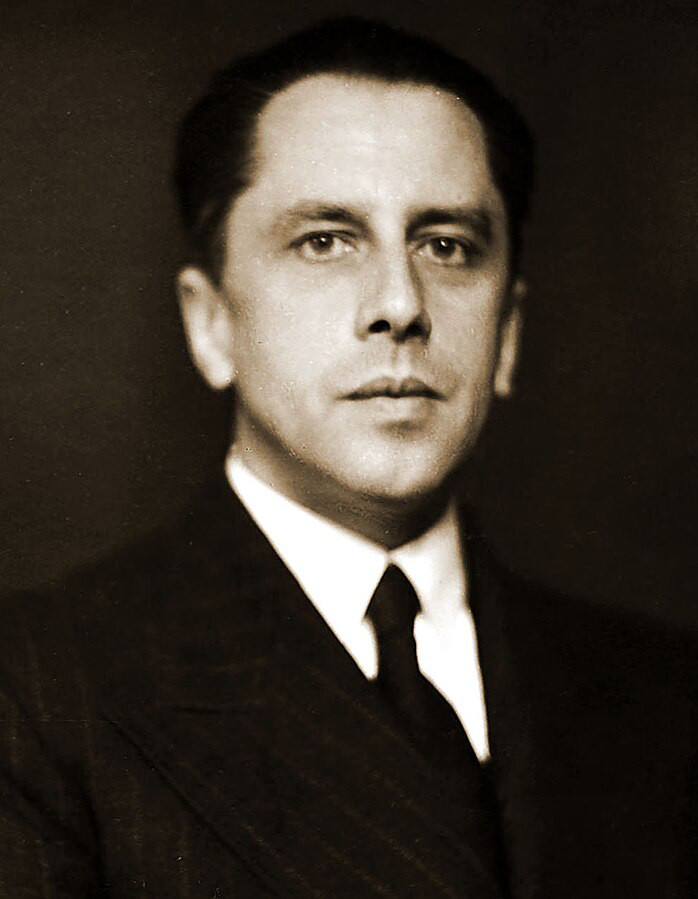
Tadeusz Romer became the Polish ambassador to Japan in 1937. In 1940 he founded the Polish Committee to Aid War Victims, with branches in Kobe and Tokyo. His wife Zofia chaired the committee, which helped Polish refugees arriving in Japan from the summer of 1940. Most of them were Jews who had escaped to Japan via the Soviet Union from Lithuania, by means of transit visas issued by Chiune Sugihara.
The refugees were only allowed to stay in Japan for ten days. Romer persuaded the Japanese authorities to let them stay longer. He negotiated with Britain, Palestine, the United States, and the South American countries on issuing entry visas. He also issued new passports if refugees needed them, and organized their departures.
After the embassy in Tokyo was closed in 1941, Romer continued his aid activities in Shanghai. He looked after Polish citizens who had been expelled to Shanghai from Japan. In 1943 Romer became Polish ambassador to the Soviet Union, and later foreign minister for the Polish government-in-exile in London. After the end of the war, he emigrated to Canada.
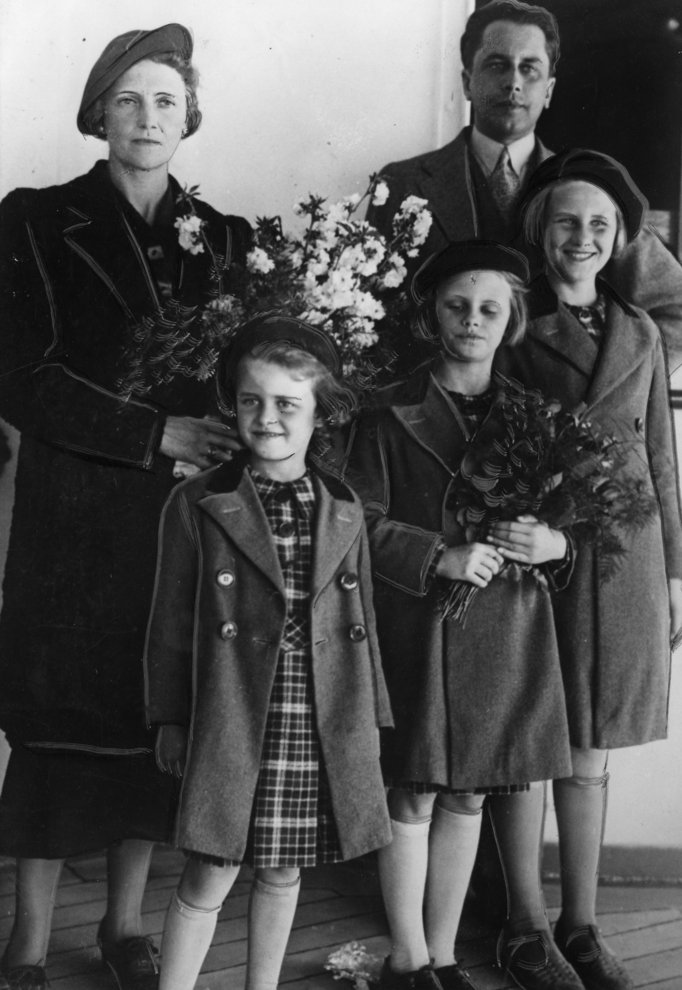
Zofia and Tadeusz Romer with their daughters Gabriela, Elżbieta, and Teresa (left to right) on arrival in Tokyo, 1937. Source: Narodowe Archiwum Cyfrowe, Warschau, 1-D-818
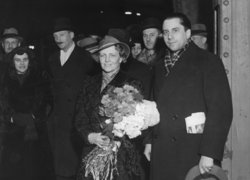
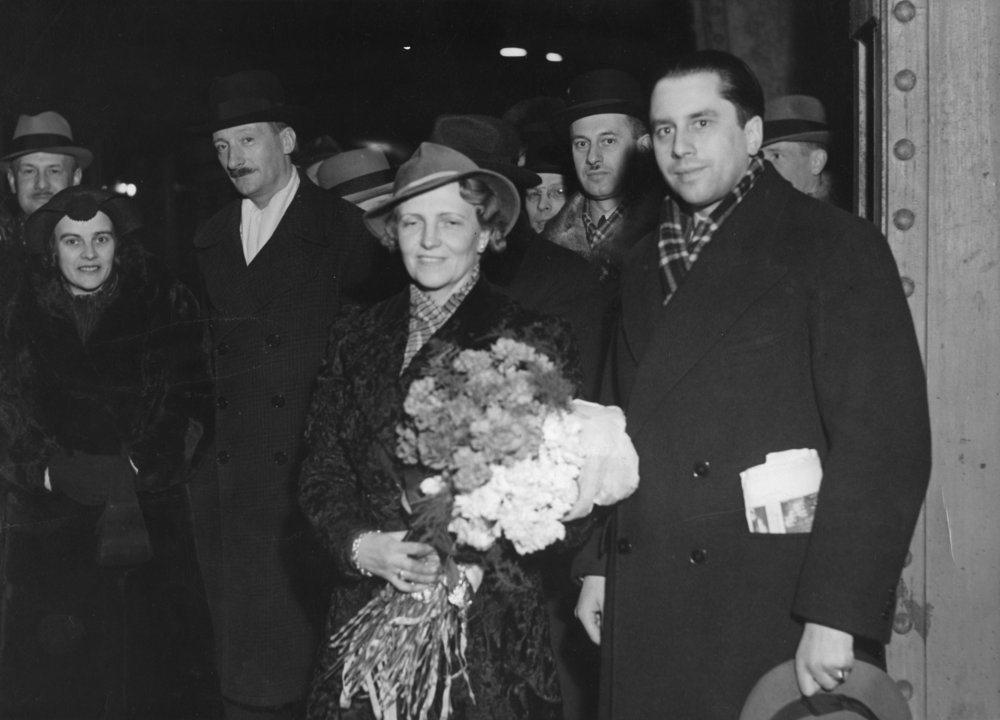
Farewell ceremony for Tadeusz and Zofia Romer before their departure for Japan, Warsaw, 1937. Source: Narodowe Archiwum Cyfrowe, Warschau, 1-D-817
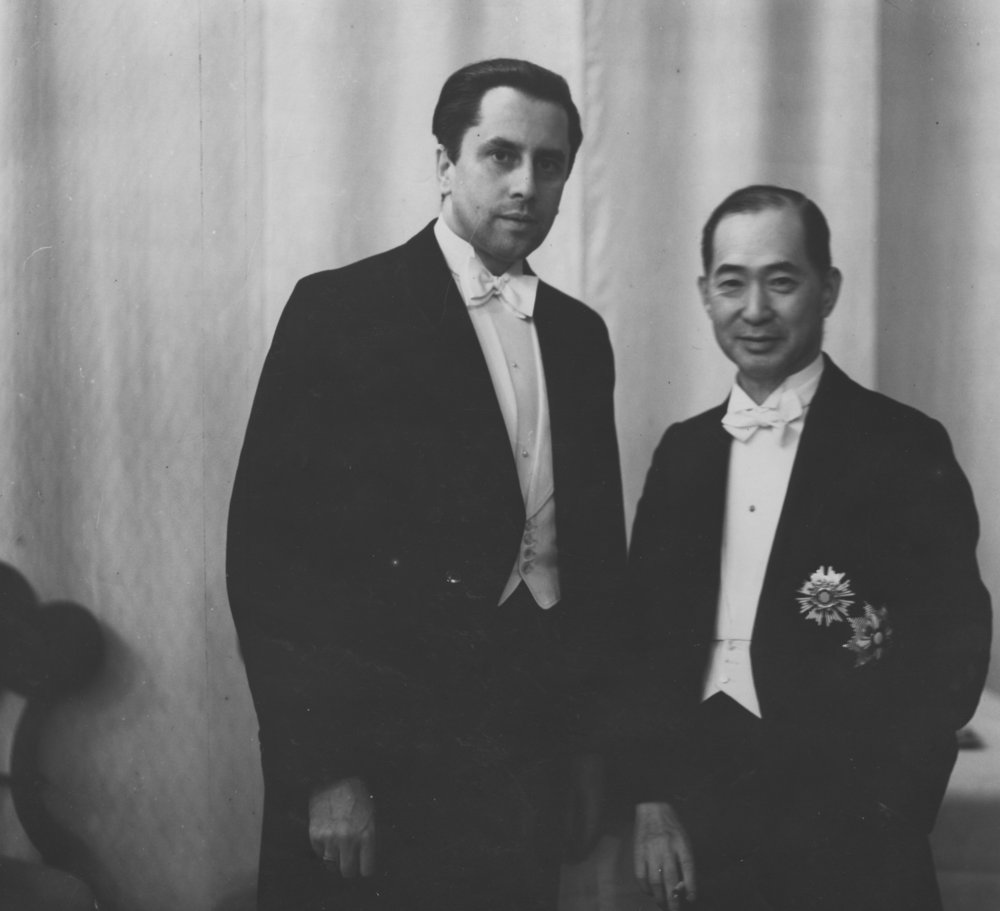
Tadeusz Romer with the Japanese envoy extraordinary and minister plenipotentiary in Poland, Nabubumi Ito, 1937. Source: Narodowe Archiwum Cyfrowe, Warschau, 1-D-853-2