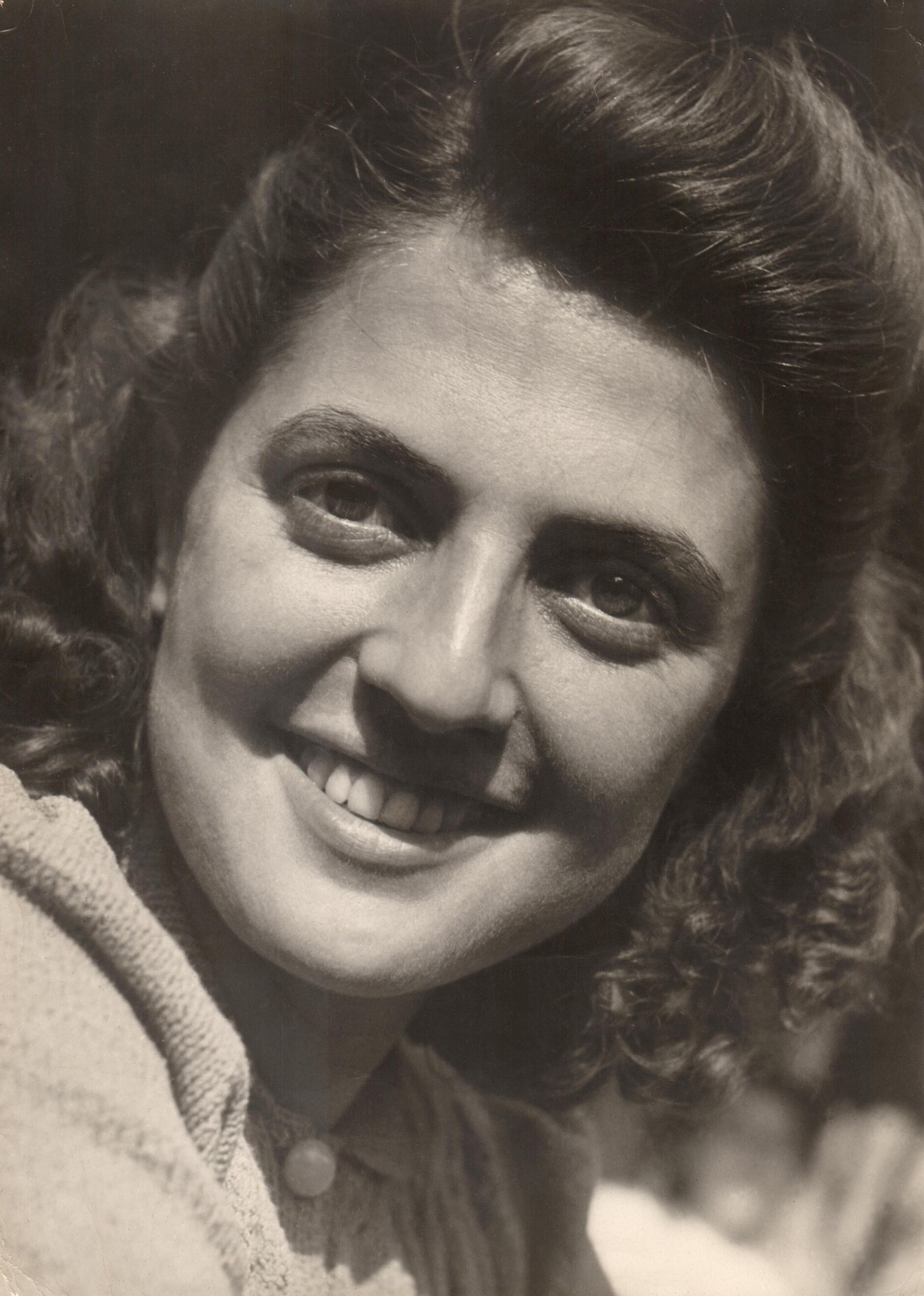
Alice Cohn began training as a carpenter in Breslau in 1930. She was the first woman in the city’s guild of craftsmen. In 1933 she was expelled from the organization, as a Jew, and had to abandon her apprenticeship. From 1934 she worked as a graphic designer, running a small advertising studio until she fled to the Netherlands in 1936. Once there, she painted cinema posters and worked as a designer.
After German troops invaded the Netherlands, she was also persecuted there. She lived in constant fear of arrest. In May 1943, she freed three-year-old Lonnie Lesser from an assembly camp in Amsterdam. Cohn was a friend of her parents. She forged papers for herself and dressed as a nurse to take the child out of the camp and place her with a foster family. She herself went underground in Utrecht, where she joined the Utrecht Children’s Committee. This resistance group hid Jewish children and provided Jews with forged papers. Alice Cohn worked as a forger, altering identity papers and forging signatures.
After the war she worked as a graphic designer in advertising and designed toys. In 1947 she married Rudolf Bermann and moved to Liechtenstein.
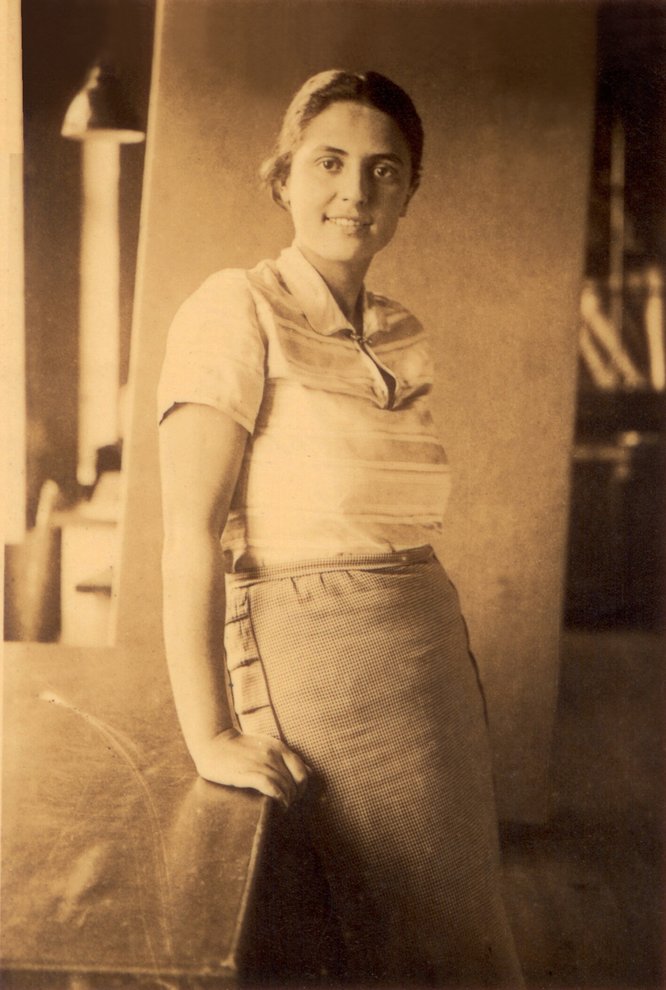
Alice Cohn in the carpentry workshop, Breslau, 1932. Source: Privatbesitz/Private, Collection Jewish Museum Amsterdam
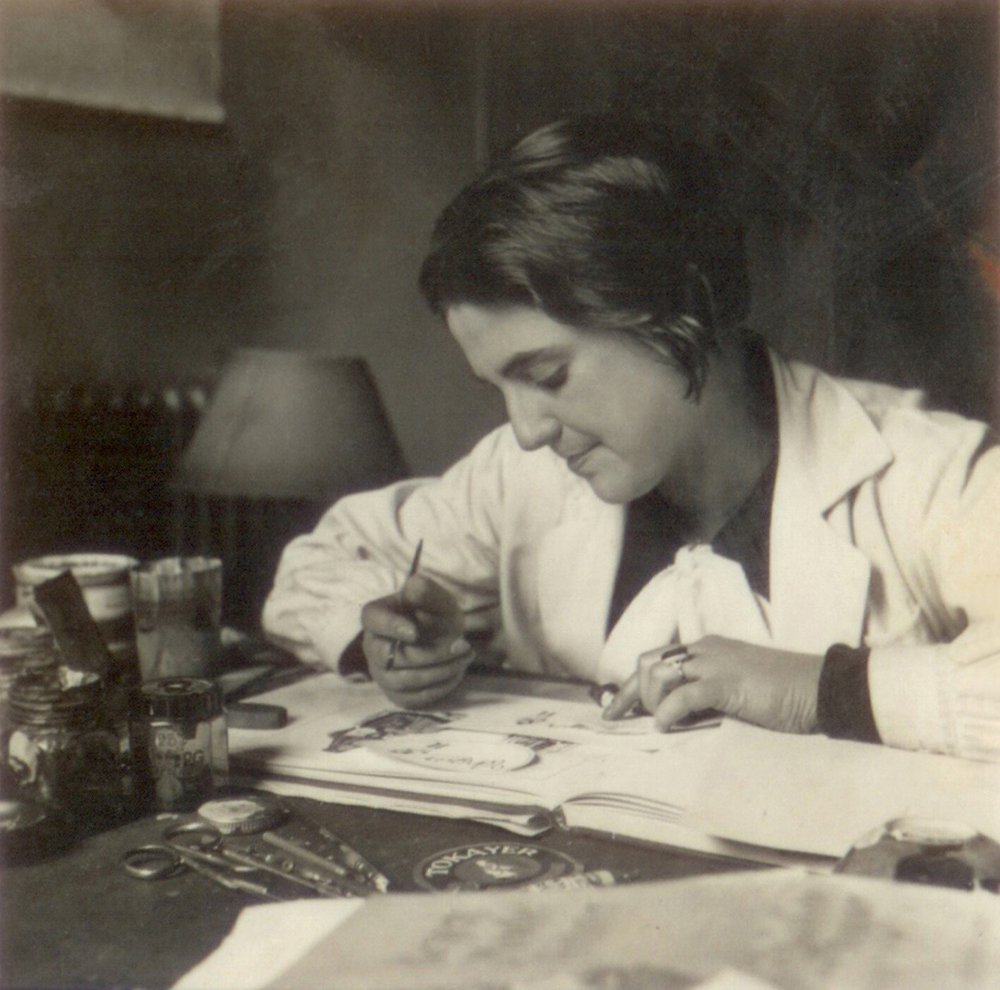
Alice Cohn in her advertising studio, Breslau, 1936. Source: Privatbesitz/Private, Collection Jewish Museum Amsterdam
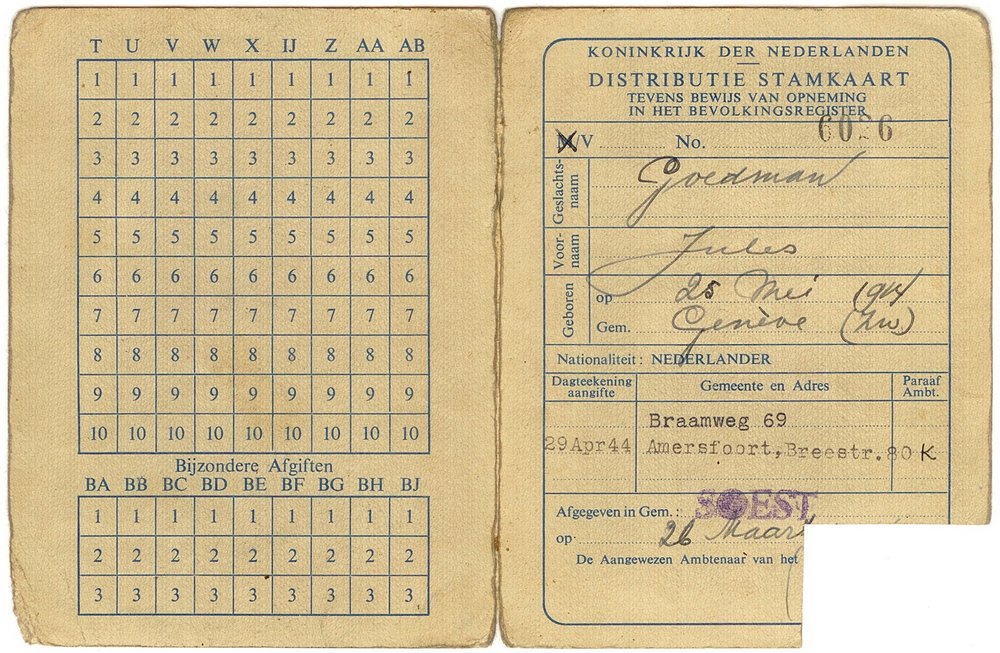
Food rations card forged by Alice Cohn for her own use, made under her false name of Jules Goedman, Amersfoort, 1944. Source: Privatbesitz/Private, Collection Jewish Museum Amsterdam
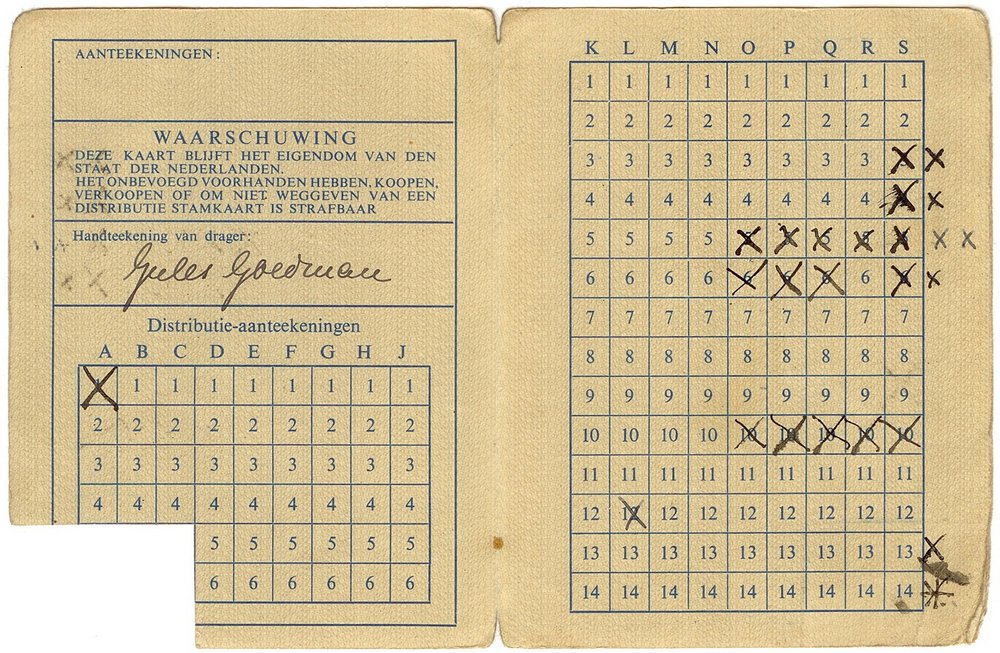
Food rations card forged by Alice Cohn for her own use, made under her false name of Jules Goedman, Amersfoort, 1944. Source: Privatbesitz/Private, Collection Jewish Museum Amsterdam
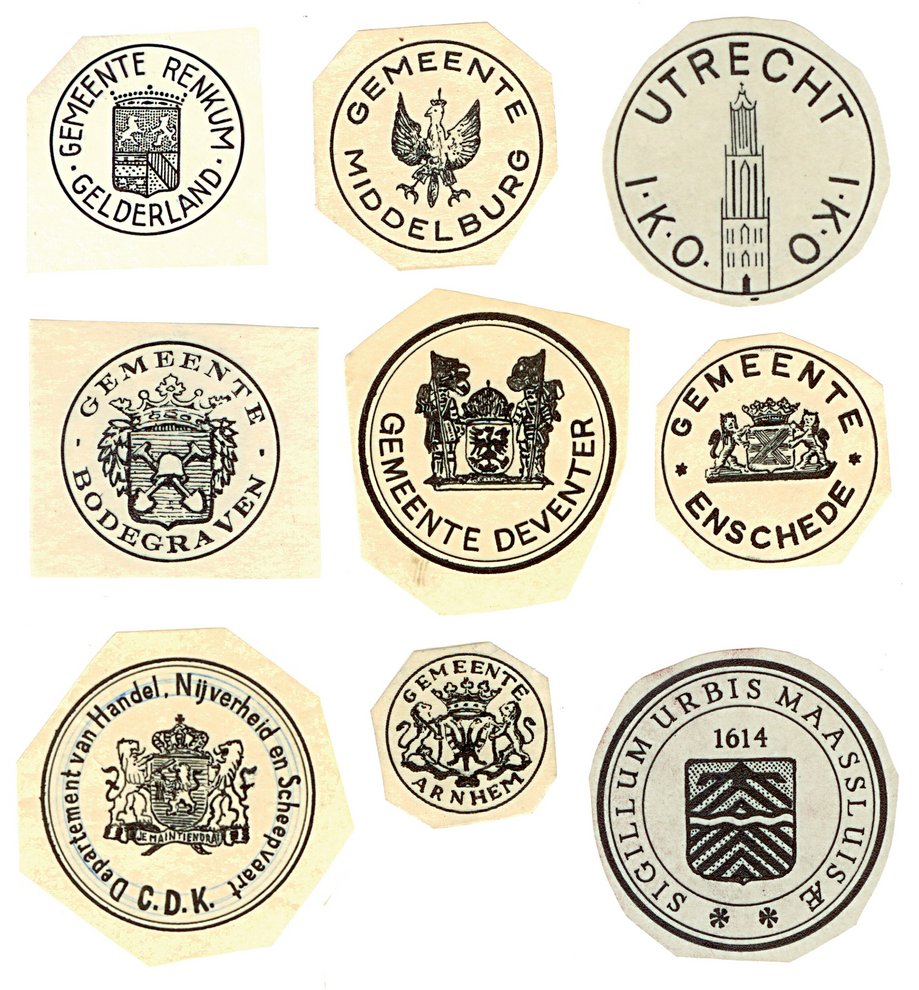
Templates drawn by Alice Cohn for making stamps, around 1944. Source: Privatbesitz/Private, Collection Jewish Museum Amsterdam
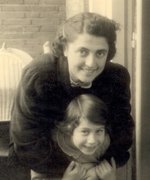
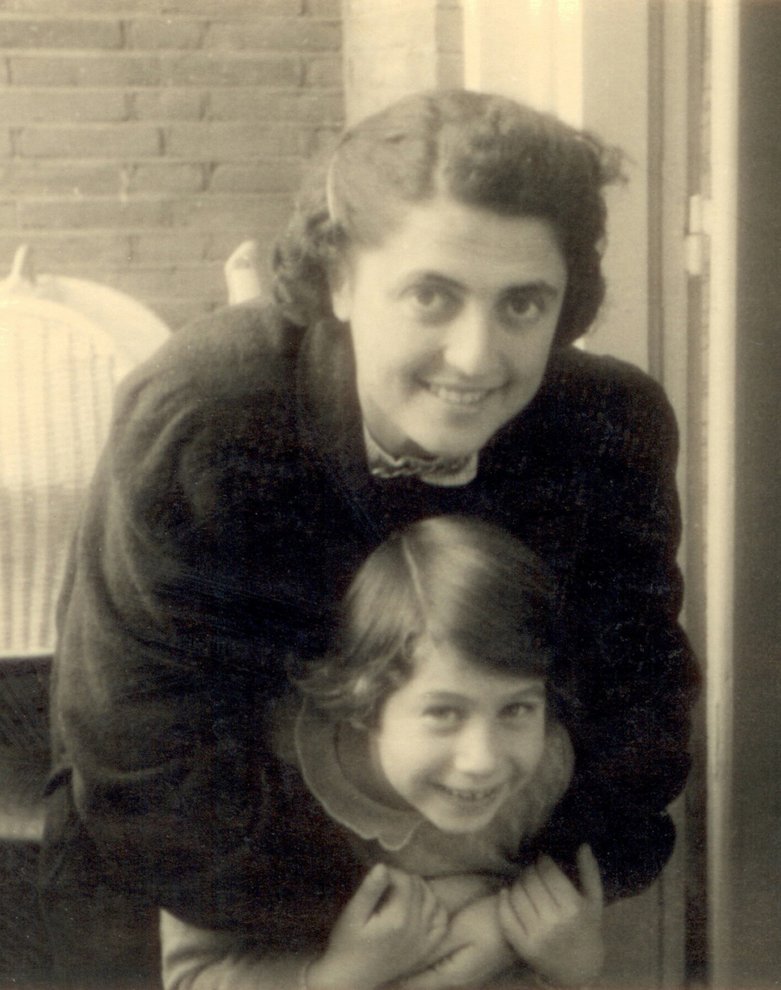
Alice Cohn and Lonnie Lesser, Netherlands, 1945. Source: Privatbesitz/Private, Collection Jewish Museum Amsterdam