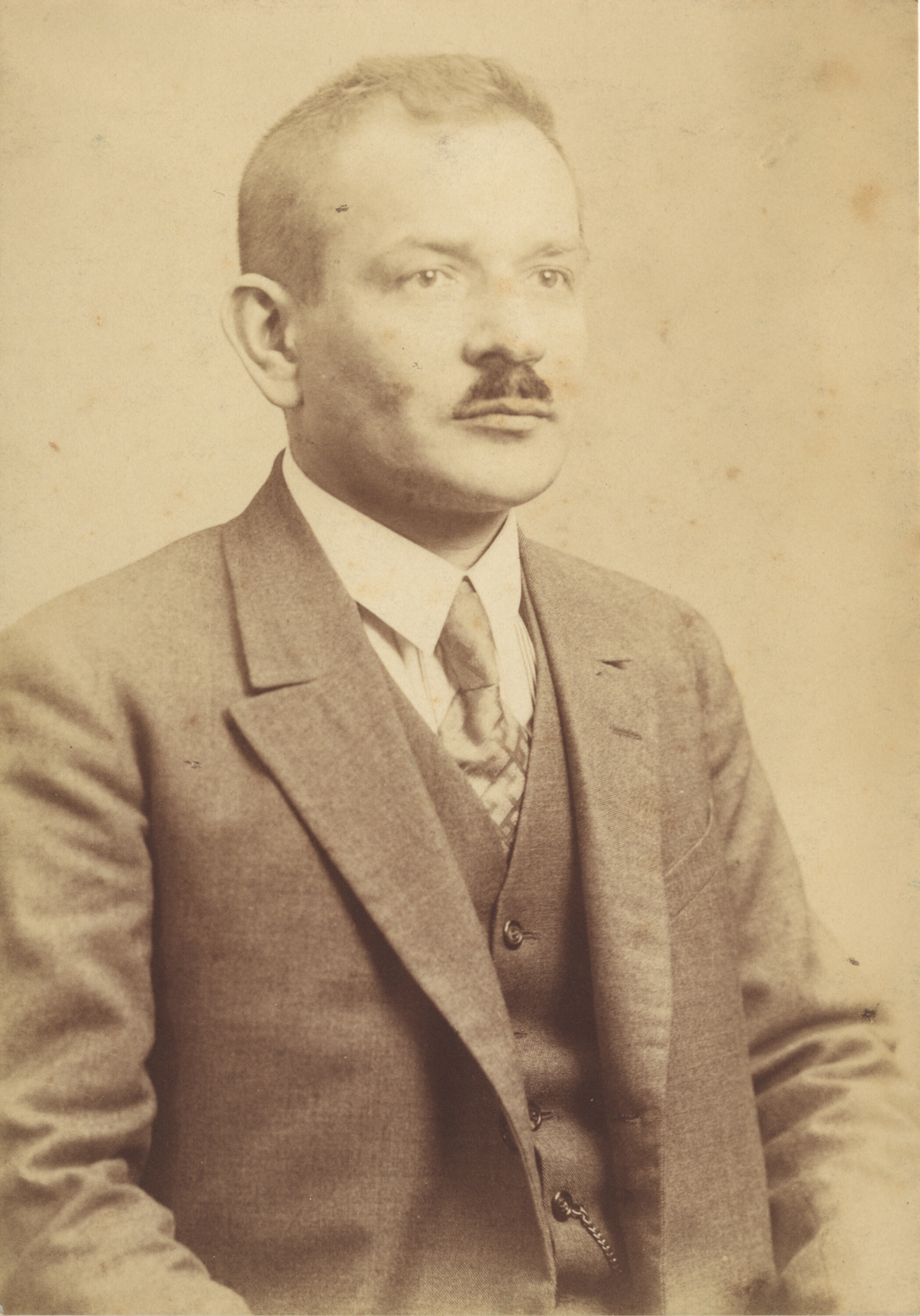
Theodor Görner ran a printing press for books and art in Berlin-Mitte. A social democrat, he made a point of employing Jewish workers so as to protect them from persecution. When this was banned, Görner continued to employ Jews, in some cases with forged papers. He also worked with Otto Weidt. Görner let some people in hiding spend the night in a back room at the printing press, and provided them with food. The workshop was classified as important for the war because it printed waterproof identity cards for the Wehrmacht, among other things.
In the summer of 1944, the Gestapo imprisoned Görner for three weeks after a denunciation for “aiding and abetting Jews.” He was released because of his company’s importance. Despite the threat of a concentration camp, he continued to arrange food and shelter for persecuted people after his release. The printing press was destroyed in an air raid in 1945.
After the war, Görner received a number of honors for his courageous help: the Berlin senate honored him as an Unsung Hero in 1959, the Israeli Holocaust memorial center Yad Vashem awarded him the title of Righteous Among the Nations in 1967, and in 1970 Görner received the Federal Cross of Merit.
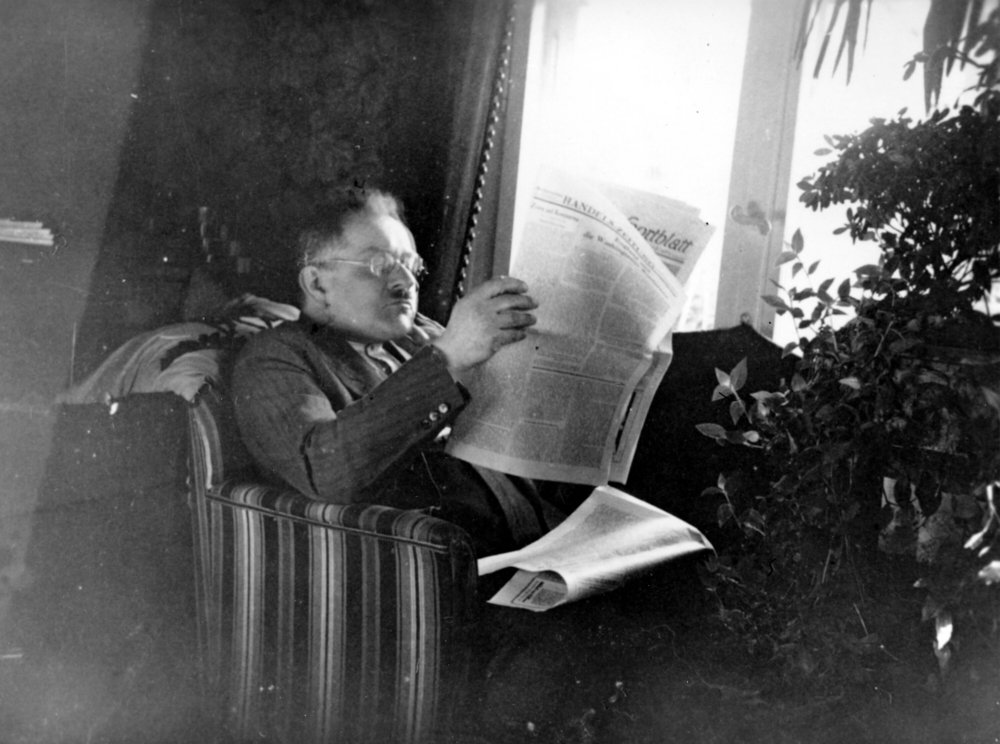
Theodor Görner, Woltersdorf, April 1933. Source: Privatbesitz/Private
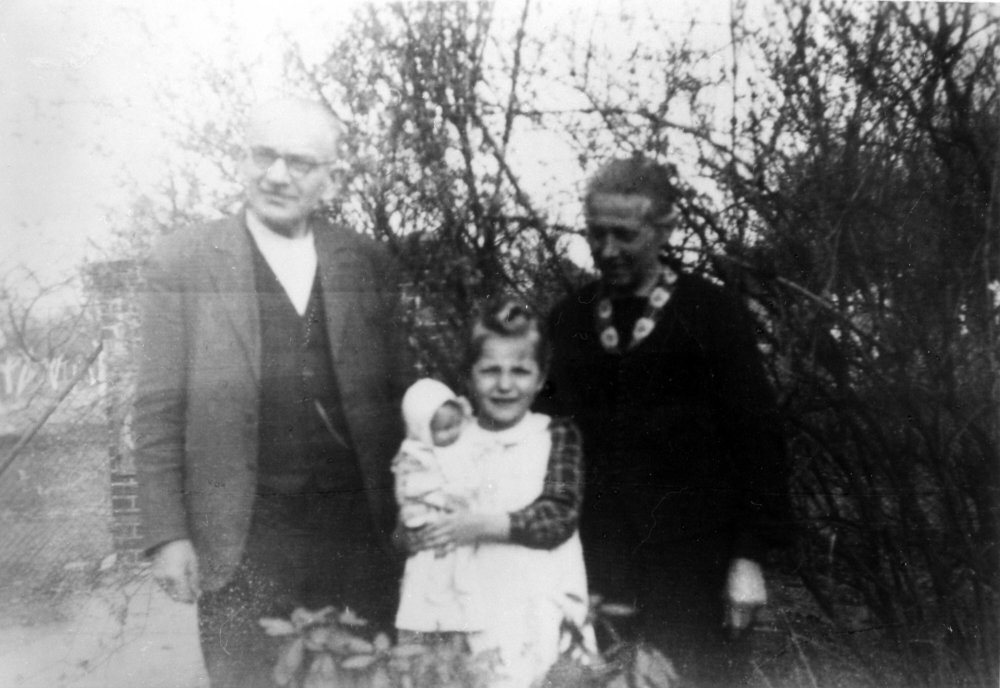
Theodor Görner with his wife and granddaughter in Woltersdorf, around 1946. Source: Privatbesitz/Private
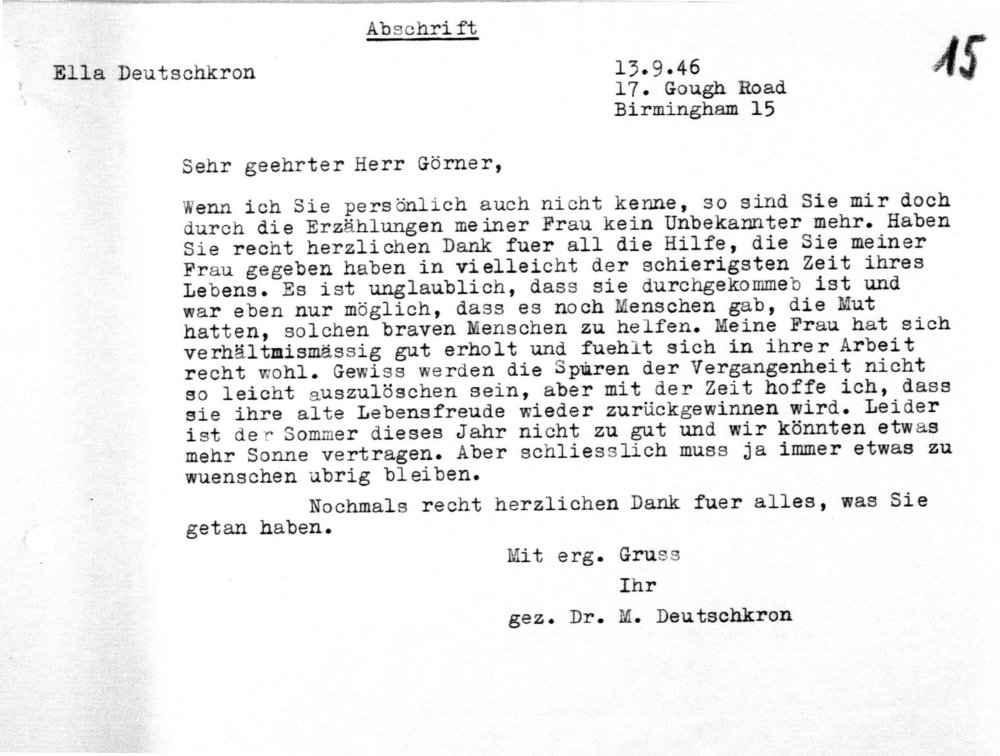
Letter of thanks from Martin Deutschkron to Theodor Görner, Birmingham, September 13, 1946. Source: Privatbesitz/Private